


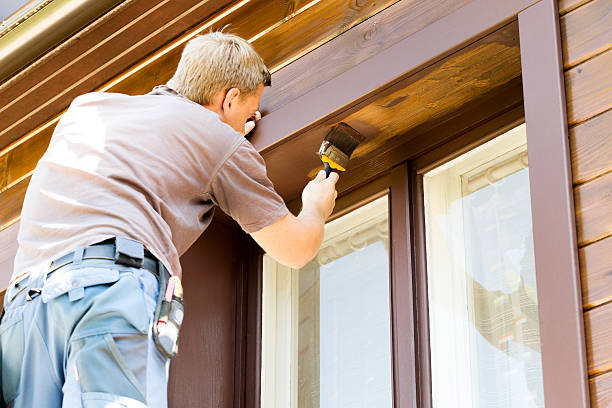
Exterior painting services in Roselands play an important role in protecting homes from the area’s changing weather conditions. While many homeowners view painting as a cosmetic improvement, a properly maintained exterior paint system serves as a protective barrier against sun exposure, moisture, temperature fluctuations, and general wear.
The climate in Roselands can place continuous stress on residential properties throughout the year. This is why investing in exterior painting services in Roselands is not only about appearance but also about preserving the structural integrity of a home. Understanding how weather affects exterior surfaces can help homeowners make informed decisions about painting schedules, products, and long-term maintenance.
Understanding Roselands Weather Conditions
Roselands experiences a mix of weather conditions throughout the year. Homes are exposed to:
- Strong sunlight and UV radiation
- Seasonal rainfall
- Humidity fluctuations
- Wind-driven dirt and debris
- Temperature changes between seasons
These environmental factors gradually affect exterior building materials, including timber, brick, render, and weatherboard. Without adequate protection, surfaces may deteriorate faster and require costly repairs.
A quality exterior paint system acts as a shield, helping reduce weather-related damage while maintaining the home’s appearance.
How Weather Affects Exterior Surfaces
UV Exposure and Sun Damage
One of the biggest challenges for homeowners is prolonged exposure to sunlight. UV rays can break down paint pigments and binders over time.
Common signs of UV damage include:
- Fading colours
- Chalking surfaces
- Peeling paint
- Reduced surface protection
Using UV resistant paint helps minimise these issues. Modern paint formulations are designed to withstand extended sun exposure while maintaining colour stability and surface performance.
Professional exterior painters in Roselands often recommend premium coatings specifically formulated for Australian weather conditions.
Rain and Moisture Problems
Rainwater can cause significant damage when exterior surfaces are not properly protected.
Moisture can lead to:
- Paint blistering
- Surface cracking
- Timber rot
- Mould and mildew growth
- Structural deterioration
Proper preparation and the application of high-quality weatherproof paint help create a protective barrier that reduces moisture penetration.
When moisture is prevented from entering the building materials, homeowners can significantly extend the lifespan of their exterior surfaces.
Temperature Changes and Surface Movement
Building materials naturally expand and contract as temperatures rise and fall. Over time, this movement can place stress on paint coatings.
Potential problems include:
- Cracks in paint films
- Surface separation
- Loss of adhesion
- Premature paint failure
Modern exterior coatings are formulated with flexibility in mind, allowing them to accommodate minor substrate movement without cracking.
The Protective Benefits of Exterior House Painting
Exterior painting offers more than visual appeal. It serves several protective functions that contribute to long-term property preservation.
Protection Against Environmental Damage
Paint acts as the first line of defence against:
- UV radiation
- Rainwater
- Airborne contaminants
- Dirt accumulation
- Temperature-related stress
Without this protective layer, building materials become more vulnerable to deterioration.
Prevention of Costly Repairs
Regular painting can help identify and address small issues before they become major problems.
During preparation, painters may uncover:
- Minor cracks
- Timber damage
- Water intrusion points
- Surface deterioration
Addressing these concerns early can reduce future repair expenses.
Improved Property Appearance
While protection is the primary purpose, exterior painting also improves curb appeal.
Fresh paint can:
- Enhance visual appeal
- Maintain neighbourhood standards
- Preserve property value
- Create a cleaner appearance
A well-maintained exterior reflects ongoing care and attention to the property.
Why Weatherproof Paint Matters
Not all exterior paints perform the same under harsh weather conditions.
Features of Weatherproof Paint
Quality weatherproof paint is designed to withstand environmental stress while maintaining long-term performance.
Key benefits include:
| Feature | Benefit |
|---|---|
| Water resistance | Reduces moisture penetration |
| UV protection | Minimises fading and degradation |
| Flexible coating | Accommodates surface movement |
| Durable finish | Resists peeling and cracking |
| Mould resistance | Helps prevent biological growth |
Selecting the appropriate paint system for local conditions is essential for achieving lasting results.
Long-Term Performance
Premium weatherproof coatings often provide:
- Extended durability
- Better colour retention
- Improved adhesion
- Reduced maintenance requirements
These advantages make them particularly suitable for Roselands homes exposed to varying weather conditions.
The Importance of UV Resistant Paint
Sun exposure remains one of the most common causes of exterior paint deterioration.
How UV Resistant Paint Works
UV resistant paint contains advanced pigments and additives designed to reduce damage from ultraviolet radiation.
These coatings help:
- Maintain colour consistency
- Prevent surface chalking
- Extend paint life
- Improve overall appearance
By reducing UV-related degradation, homeowners can delay repainting cycles and maintain protection for longer periods.
Areas Most Vulnerable to UV Damage
Certain sections of a home may experience greater sun exposure, including:
- Northern-facing walls
- Upper-storey surfaces
- Roofline areas
- Entry facades
These areas often benefit most from high-performance UV-resistant coatings.
Home Exterior Maintenance and Long-Term Protection
Regular home exterior maintenance is essential for maximising the lifespan of painted surfaces.
Painting should be viewed as one component of a broader maintenance strategy.
Maintenance Tasks Homeowners Should Consider
Routine inspections can help identify early signs of wear.
Recommended maintenance includes:
- Cleaning exterior surfaces
- Removing mould and mildew
- Checking for cracks and peeling paint
- Inspecting gutters and drainage systems
- Repairing damaged surfaces promptly
Regular attention helps maintain both appearance and performance.
Signs It May Be Time to Repaint
Several indicators suggest exterior surfaces may require repainting:
- Fading colours
- Peeling or flaking paint
- Cracks in painted surfaces
- Visible timber exposure
- Persistent moisture staining
Addressing these signs early helps preserve the protective function of the paint system.
Why Professional Exterior Painters Matter
Exterior painting requires more than simply applying paint.
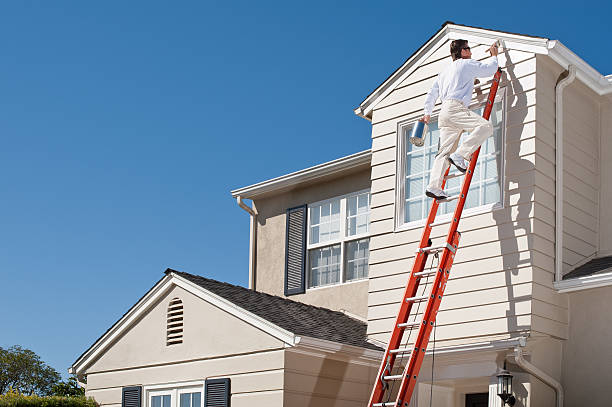
Professional exterior painters Roselands understand:
- Surface preparation requirements
- Local climate conditions
- Product selection
- Application techniques
- Long-term coating performance
Proper preparation is especially important because paint performance depends heavily on the condition of the surface beneath it.
The Role of Surface Preparation
Preparation may include:
- Pressure cleaning
- Sanding
- Scraping loose paint
- Filling cracks
- Priming surfaces
Skipping these steps often leads to reduced paint lifespan and premature failure.
Choosing the Right Time for Exterior Painting
Weather conditions directly influence paint application and curing.
Ideal painting conditions typically include:
- Moderate temperatures
- Low humidity
- Minimal rain forecasts
- Stable weather patterns
Professional painters monitor weather conditions carefully to ensure coatings cure properly and achieve maximum durability.
How Exterior Painting Supports Property Value
Maintaining exterior surfaces can contribute to overall property presentation and market appeal.
Potential benefits include:
- Improved first impressions
- Better maintained appearance
- Reduced visible wear and damage
- Increased buyer confidence
While painting alone does not determine property value, it contributes to the overall condition and presentation of the home.
Conclusion
Roselands weather can have a significant impact on residential exteriors over time. Constant exposure to sunlight, rainfall, temperature fluctuations, and environmental contaminants places ongoing stress on building materials.
Investing in exterior painting services in Roselands, combined with proper home exterior maintenance, helps protect homes against these conditions. The use of high-quality weatherproof paint and UV resistant paint can improve durability, reduce maintenance concerns, and preserve the appearance of exterior surfaces for years to come.
By understanding the relationship between climate and exterior coatings, homeowners can make informed decisions that support the long-term protection and maintenance of their properties.
If your home’s exterior is showing signs of fading, peeling, or weather-related wear, consider consulting experienced exterior painters to assess its condition. A professional evaluation can help identify the most suitable painting solutions and protective coatings to keep your property looking its best and protected from the elements for years to come.
Frequently Asked Questions
How often should a house exterior be painted in Roselands?
The frequency depends on factors such as surface material, paint quality, and weather exposure. Many homes require repainting every 7 to 15 years, although some surfaces may need attention sooner.
Why is weatherproof paint important for exterior surfaces?
Weatherproof paint helps protect surfaces from moisture, UV exposure, and environmental wear, reducing the risk of damage and extending the life of the paint system.
What are the benefits of UV resistant paint?
UV resistant paint helps minimise fading, chalking, and paint deterioration caused by prolonged sun exposure, improving the longevity of exterior coatings.
Can exterior painting help prevent structural damage?
While paint is not a structural solution, it can help prevent moisture intrusion and weather-related deterioration that may contribute to damage over time.
Why should homeowners hire exterior painters Roselands?
Experienced exterior painters Roselands understand local weather conditions, proper preparation methods, and suitable coating systems, helping achieve durable and long-lasting results.