How Many Coats of Paint Needed?

Wondering how many coats of paint needed for walls, ceilings or exteriors? Learn what affects coverage and when two coats are worth it.

Fresh paint can make a room look sharp again, but the finish only looks as good as the coverage underneath it. If you are asking how many coats of paint needed, the honest answer is usually two – but not always. The right number depends on the surface, the colour change, the product quality and whether the area has been properly primed.

A lot of painting problems start when people try to save time with one quick coat. It might look acceptable while it is still wet, then dry patchy, thin or uneven. That is where experience matters. A solid finish is not just about getting paint on the wall. It is about making sure the surface looks even in daylight, under downlights and from every angle.

How many coats of paint needed for most jobs?

For most residential and commercial painting work, two coats of finish paint is the standard. That applies to interior walls, ceilings, exterior walls, timber trim and many repainting jobs. Two coats give better depth of colour, more even sheen and longer-lasting wear.

One coat can be enough in a few situations. If you are repainting with a very similar colour, the existing surface is in good condition, and you are using a high-quality paint with strong coverage, one top coat may do the job. Even then, it depends on what the surface looks like once it dries.

Three coats are sometimes needed when there is a big colour change, when painting over stained or repaired areas, or when the surface is highly porous. New plasterboard, bare timber and patched walls often absorb paint unevenly, so they usually need primer plus two top coats. In practical terms, that is a three-coat system, even if only two are colour coats.

Why two coats is often the safe option

A second coat is not just extra insurance. It often completes the finish properly. The first coat starts the coverage and helps the paint bond to the surface. The second coat evens out the appearance and brings the colour and sheen to the level you expect.

This matters even more with low-sheen and washable interior paints. These products are designed to look smooth and hold up to daily use, but only if they are applied at the right spread rate. If the first coat is stretched too far, you can end up with roller marks, flashing or inconsistent sheen.

On exteriors, the second coat also improves durability. Sun, rain and temperature changes are hard on painted surfaces across NSW. A proper build of paint gives better protection and helps the finish last longer before it needs repainting again.

The main factors that affect coat count

Surface condition

A clean, previously painted wall in good condition is the easiest surface to cover. A rough, chalky, stained or damaged surface is different. If the wall has repairs, water marks, peeling sections or bare patches, the paint will absorb and reflect differently across the area.

That usually means spot priming or a full primer coat before the top coats go on. Skipping that step can leave visible patchiness even after two coats of colour.

Colour change

Painting white over cream is straightforward. Painting pale grey over dark red is not. Strong colour changes often need more work because the old tone can bleed through the new finish, especially around edges and in natural light.

Some colours simply cover worse than others. Deep blues, reds, bright whites and some modern greens can take extra coats to reach a solid, even result. The label might say excellent coverage, but coverage in a brochure and coverage on a real wall are not always the same thing.

Type of paint

Cheap paint can cost more in labour because it often needs extra coats. Better quality products tend to have stronger pigment, better binders and more reliable spread. That does not mean every premium paint covers in one coat, but it usually means a better finish with less risk of patchiness.

Different finishes also behave differently. Flat ceiling paint often hides minor imperfections well, while semi-gloss or gloss on trim will show every miss, brush mark and thin spot. The shinier the finish, the less forgiving it is.

Application method

Brush, roller and spray all have their place, but each lays down paint differently. Spraying can produce a smooth finish quickly, though it often still requires back rolling or careful build to achieve the right coverage. Rollers vary too. The nap length, pressure and loading all affect how much paint ends up on the surface.

This is one reason professional results are more consistent. Good painters do not just count coats. They watch the film build, coverage and drying behaviour as they go.

How many coats of paint needed on interior walls?

Interior walls usually need two coats over a sound, prepared surface. If the wall is already painted in a similar shade and still in good condition, one coat may be enough for a refresh. If there are filler repairs, stains or a big colour shift, expect primer plus two coats.

High-traffic rooms such as hallways, living areas and rentals benefit from full coverage. Thin paint jobs wear out faster and are harder to clean without affecting the finish. For landlords and property investors, spending a bit more on proper coverage upfront often avoids an early repaint between tenants.

Ceilings, trims and doors need their own approach

Ceilings generally need two coats, especially if they have water staining, smoke residue or uneven old paint. Because ceilings catch light differently, missed spots stand out more than people expect.

Trim and doors are a different story. These surfaces get touched, knocked and cleaned more often, so the coating needs enough build to hold up. If you are painting over enamel, stained timber or glossy old trim, proper sanding and priming matter just as much as the number of coats. In many cases, one primer and two finish coats give the best result.

Exterior surfaces often need more preparation than people think

Exterior painting is where shortcuts show up fast. Weatherboards, render, masonry, fences and eaves all age differently. Sun exposure, moisture and surface breakdown affect how paint adheres and covers.

Most exterior repaints need two top coats after preparation. Bare timber, new render or weathered masonry may need a dedicated primer or sealer first. Roof painting and fence painting also depend heavily on substrate condition. Rust, flaking paint and powdery surfaces need to be dealt with before anyone starts counting finish coats.

For homes near the coast, including parts of Sydney’s eastern suburbs and Sutherland area, salt exposure can be another factor. Surfaces can deteriorate faster, and good preparation becomes even more important if you want the paint system to last.

When one coat is enough – and when it is not

There are jobs where one coat is genuinely acceptable. A maintenance repaint in the same colour, over a well-kept surface, with a quality product and no repairs can come up well with one top coat. That is not cutting corners if the finish is even and the paint is applied properly.

But one coat should not be the default just because it is cheaper. If the wall still shows shadowing, old colour, dull patches or uneven sheen after drying, the job is not finished. Paint always needs to be judged dry, not wet.

A good painter will be upfront about that. The goal is not to sell extra coats for the sake of it. The goal is a finish that looks right and lasts.

The role of primer in coat count

People often ask whether primer counts as a coat. Technically yes, but functionally it does a different job. Primer helps with adhesion, seals porous areas and blocks stains or tannins from bleeding through. It is not there to replace a finish coat.

If you are painting new surfaces, repaired walls, glossy trim, bare timber or areas with stains, primer is usually part of the correct system. That means when someone says the job needs three coats, they may mean one primer and two top coats, not three coats of colour.

Getting the right result without overpaying

The cheapest quote is not always the best value if it allows for minimal preparation and a single coat where two are needed. On the other hand, not every job needs a heavy paint build or an overcomplicated process. The right approach is based on the actual surface and the finish you want.

That is why clear quoting matters. You want to know what is included, what level of preparation is planned and whether the painter is allowing for primer, spot repairs and enough finish coats to do the job properly. Experienced contractors make those calls early, which helps avoid surprises once work starts.

If you are unsure how many coats your property needs, the best answer comes from seeing the surface in person. A good painting job should look consistent, wear well and save you from doing it again too soon. That is the standard worth aiming for.

Investment Property Repaint Checklist

Use this investment property repaint checklist to plan a faster, cleaner repaint that lifts appeal, protects surfaces and reduces vacancy time.

A tired paint job costs more than most landlords expect. It can drag out vacancy, attract lower-quality applications, and turn a routine inspection into a list of avoidable maintenance issues. A solid investment property repaint checklist helps you make the right calls early – what needs painting, what can wait, and how to get the job done with minimal disruption.

For investment properties, repainting is not about chasing trends. It is about presentation, durability, and keeping the property easy to lease. The best result is a clean, neutral finish that photographs well, holds up to wear, and does not create more maintenance six months later.

Why an investment property repaint checklist matters

A repaint can improve rental appeal quickly, but only if the scope is right. Many owners either underquote the work and end up with patchy results, or overcapitalise on areas that tenants will not value. The checklist approach keeps the job practical.

It also helps when timing matters. If a tenancy has just ended, every extra day before the next lease affects your return. A clear repaint plan lets you line up trades, approve colours, and deal with repairs before they become delays.

Start with the property condition, not the paint chart

Before you think about colours, inspect the actual surfaces. Look at walls, ceilings, trims, doors, skirting boards, eaves, and any exterior cladding or rendered areas. You are checking for peeling paint, water stains, cracks, mould, grease build-up, and impact damage.

Some marks are cosmetic and easy to cover. Others point to a bigger issue. If there is bubbling paint near a bathroom, laundry, or window, the cause might be moisture rather than age. If you paint over it without fixing the source, the problem usually comes straight back.

This is where experience matters. A proper assessment should tell you whether the property needs a full repaint, a partial repaint, or targeted repairs and freshening up.

Your investment property repaint checklist before work starts

A repaint runs smoother when the scope is settled upfront. Before booking painters, work through these points.

Decide whether it is a full repaint or a refresh

A full repaint makes sense when the property has multiple rooms with uneven wear, outdated colours, smoke staining, or obvious patch repairs from previous tenancies. It creates consistency and usually presents better in photos and inspections.

A refresh may be enough if the paintwork is mostly sound and the wear is isolated to hallways, living areas, door frames, or a few feature walls. This can save money, but only if the touched-up areas blend properly. Poor spot painting is easy to notice.

Check for repairs that must happen first

Painting should not be treated as a shortcut for damaged surfaces. Fill and sand dents, repair plasterboard cracks, replace rotten timber, treat mould properly, and fix leaks before painting starts. If you skip preparation, the finish will look rushed and it will not last.

Choose durable, neutral colours

For most rental properties, simple wins. Soft whites, light greys, and warm neutrals suit a wider range of tenants and make rooms feel cleaner and brighter. They also simplify future touch-ups.

Bold colours can work in owner-occupied homes, but in an investment property they often narrow appeal. The goal is broad market acceptance, not personal taste.

Pick the right finish for each area

Low-sheen or washable finishes are usually a practical choice for walls because they handle cleaning better than very flat paints. Ceilings generally suit a flat finish. Doors, trims, and skirting often need a tougher enamel or semi-gloss style product because they get knocked and wiped down more often.

There is always a trade-off. Higher-sheen finishes are harder wearing, but they also show surface imperfections more clearly. On older properties, preparation quality becomes even more important.

Confirm access and timing

An empty property is always easier and faster to paint than an occupied one. If the property is vacant, lock in the work immediately after the outgoing tenant leaves, alongside cleaning and any repairs. If tenants are staying, you will need clear access arrangements and realistic expectations around noise, odour, and room availability.

Interior areas that usually deserve priority

Not every part of a property adds equal value when painted. If budget is tight, focus first on the areas that shape inspection-day impressions.

Entryways, hallways, kitchens, and living areas generally show wear fastest and influence first impressions the most. Bedrooms matter too, especially if there are stains, scuffs, or mismatched touch-ups. Ceilings should not be ignored if they are yellowed, cracked, or marked by old leaks.

Bathrooms and laundries need a closer look. These spaces often fail because of moisture, not because the paint itself was poor. Correct prep, mould treatment, and product selection are critical.

Exterior repainting can protect more than appearance

If you own a house, duplex, or small block, the exterior deserves the same attention as the inside. Faded or peeling exterior paint affects street appeal, but it also leaves surfaces exposed to weather.

In Sydney and broader NSW, sun, salt air in coastal areas, and moisture can shorten the life of exterior coatings. Timber trims, fascias, eaves, fences, and weatherboards can deteriorate quickly when paint breaks down. A timely repaint can prevent more expensive repairs later.

That said, not every exterior needs a full repaint at once. Sometimes the best value is in repainting the front façade, trims, and entry areas first if those are the sections affecting presentation most.

Preparation is where the job is won or lost

Most paint problems are prep problems. If surfaces are not cleaned, sanded, patched, and primed correctly, even premium paint will struggle.

Good preparation may include washing down walls, removing loose paint, scraping failed areas, gap filling, sanding rough patches, sealing stains, and priming bare surfaces. On exteriors, it can also involve pressure cleaning, treating rust, or replacing damaged sections before painting starts.

This part is not glamorous, but it is what separates a quick cosmetic cover-up from a professional repaint that actually lasts.

Budgeting without cutting the wrong corners

Owners often ask whether repainting before re-letting is worth the cost. In many cases, yes – especially if the current presentation is affecting rent or enquiry levels. But the right budget depends on the property condition, size, access, and how much prep is involved.

The cheapest quote is not always the cheapest job. If surface prep is missing from the scope, if inferior products are used, or if the timeframe is unrealistic, you can end up paying again sooner than expected. A better approach is to compare what is actually included – repairs, number of coats, products, protection of floors and fittings, and cleanup at the end.

For landlords managing several properties, consistency also matters. Using dependable painters who can start quickly and finish on time reduces downtime and makes future maintenance easier to plan.

Questions to ask before approving the repaint

A few direct questions can save headaches later. Ask what preparation is included, whether patch repairs are covered, how many coats will be applied, what products are recommended for high-wear areas, and how long the job should take.

You should also ask whether the painter expects any hidden issues once work begins. Older properties often reveal extra cracking, water damage, or failed previous coatings after prep starts. It is better to know where variations might come from than to be surprised halfway through the job.

When to repaint between tenancies

The best time to repaint is usually between tenants, especially if the property will be empty for only a short window. Access is simpler, the finish is cleaner, and there is less risk of delays caused by furniture or occupant schedules.

If the property is still tenanted and the paintwork is badly worn, you may still decide to proceed. Just be realistic. Occupied repaints can work, but they need stronger coordination and a respectful, staged approach.

A practical standard for rental properties

The aim is not perfection under a magnifying glass. The aim is a clean, uniform, well-prepared finish that presents professionally and stands up to normal rental wear. That means straight lines, solid coverage, durable products, and proper prep behind the scenes.

For landlords and property managers, a repaint should solve a problem, not create one. If the scope is clear from the start, the colours are sensible, and the prep is done properly, the property is easier to lease, easier to maintain, and easier to present with confidence.

If you are planning work on a rental property, treat the repaint like an investment decision rather than a last-minute cosmetic fix. The right job pays you back in presentation, protection, and fewer hassles when the next tenant walks through the door.

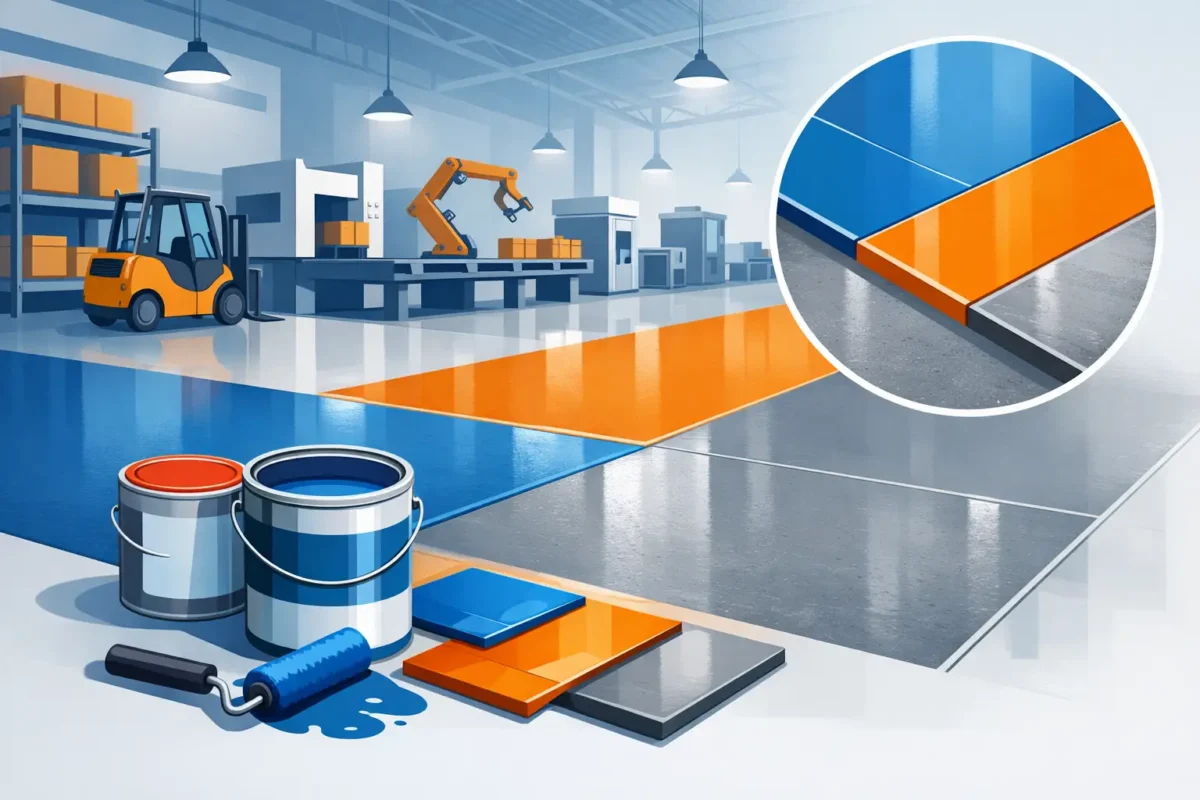
Best Coatings for Factory Floors

Find the best coatings for factory floors, from epoxy to polyurethane, with practical advice on durability, safety, downtime and value.

A factory floor usually tells you what is going wrong before the maintenance report does. Tyre marks that will not lift, dusting concrete, worn traffic lanes, oil stains that keep spreading, and patches that stay slippery after a wash – these are all signs the surface is no longer doing its job. Choosing the best coatings for factory floors is not about picking the toughest product on paper. It is about matching the coating to your site, your traffic, your cleaning routine and the amount of downtime you can actually afford.

For most factories, warehouses and industrial work areas, the right floor coating protects the concrete, improves safety and makes cleaning faster. The wrong one can peel, stain, crack or wear through well before it should. That means more disruption, more repair costs and a floor that reflects poorly on the whole operation.

What the best coatings for factory floors need to handle

Factory floors do not fail for one reason. They fail because several pressures hit the surface at once. Forklifts grind dirt into the coating, pallets drag across turning points, chemicals sit longer than they should, and washdowns expose weak spots. In some facilities, thermal shock is the real problem. In others, it is heavy point loading or poor slab preparation underneath.

That is why there is no single coating that suits every factory. A food production area has different demands from a machine workshop. A storage warehouse has different wear patterns from a loading zone. If you want a coating that lasts, you need to assess how the floor is used every day, not just how it looks on handover.

Epoxy coatings for factory floors

Epoxy is still one of the most common answers when people ask about the best coatings for factory floors, and for good reason. A properly installed epoxy system gives you a hard-wearing, chemical-resistant finish that can cope well with vehicle traffic, regular cleaning and general industrial use. It also gives a cleaner, more professional look than bare concrete.

In many factories, epoxy is the practical middle ground. It offers solid durability without the higher cost of more specialised systems, and it can be built up in different ways depending on the site. A thin epoxy coating may suit a light-duty area, while a thicker high-build or self-levelling epoxy system is often better for production spaces and forklift routes.

The trade-off is that epoxy is not perfect everywhere. It can struggle in areas exposed to constant UV, although that is less of a problem inside most factories. It can also become brittle in certain conditions, especially if the slab moves or the wrong system is used. Surface preparation matters a lot with epoxy. If the concrete is contaminated or poorly prepared, even a premium product can fail early.

Polyurethane coatings for higher flexibility

Polyurethane coatings are often chosen where flexibility and impact resistance matter more. They generally cope better with movement, abrasion and some forms of chemical exposure than standard epoxy systems. In a factory setting, that can make them a smart choice for areas with vibration, temperature fluctuation or frequent heavy use.

They are also often used as a topcoat over epoxy systems. That combination can give you the build and bond of epoxy with the added wear resistance or UV stability of polyurethane. For sites with roller doors open through the day or mixed indoor-outdoor traffic, this layered approach can make sense.

The main downside is cost. Polyurethane systems can be dearer, and not every site needs that extra performance. If your floor sees moderate use and limited chemical exposure, a well-installed epoxy system may give better value.

Polyaspartic coatings when downtime is tight

Some factory managers are less worried about coating type than they are about shutdown time. If the floor needs to be back in use quickly, polyaspartic coatings are worth a serious look. These systems cure much faster than traditional epoxy, which can reduce downtime significantly.

That speed is the big selling point. In a busy operation, every extra day off the floor affects production, deliveries and staffing. A fast-curing coating can help bring the area back online sooner without waiting through long cure windows.

There is a catch. Fast cure means less room for error during installation. The product needs experienced handling, and conditions on site have to be managed carefully. Polyaspartic systems can be excellent, but they are not the right answer if the slab needs major repair work first or if the installer is rushing the prep.

Cementitious and heavy-duty resin systems

For the harshest environments, standard coating systems may not be enough. Food manufacturing, wet processing zones, commercial kitchens within industrial sites, and facilities with hot washdowns often need heavier-duty solutions such as polyurethane cement or other specialised resin systems.

These floors are built for punishment. They can handle thermal shock, moisture, chemical spills and aggressive cleaning far better than a basic paint-like coating. They are especially useful where steam cleaning, hot water or regular sanitising is part of the routine.

The trade-off is that these systems are more specialised and typically more expensive upfront. They are not something you choose for a low-risk storage area just because they sound stronger. But if your floor is in a genuinely demanding environment, paying more at the start can save a lot in repairs and replacement later.

Surface preparation matters as much as the coating

Many coating failures get blamed on the product when the real issue started before the first coat went down. Concrete needs to be clean, sound and properly profiled. Oil contamination, old sealers, moisture problems, weak surface laitance and existing coating failure all need to be addressed before installation begins.

Mechanical grinding or shot blasting is often necessary to open the surface and create the right profile for adhesion. Cracks and damaged areas need proper repair, not a quick patch to get the job moving. Moisture testing is also important. If vapour pressure from the slab is ignored, blistering and delamination can follow.

This is where experience counts. A floor coating is only as good as the condition of the slab underneath it and the care taken during prep. For business owners and facility managers, that means the cheapest quote is not always the cheapest job in the long run.

Safety, cleaning and finish options

The best coatings for factory floors should not only last. They should also make the site safer and easier to maintain. That usually means thinking beyond colour.

Slip resistance matters, but there is a balance to strike. A heavily textured finish may improve grip in wet areas, but it can also hold more dirt and become harder to clean. A smoother finish may work well in dry production or warehouse spaces, but it might not be suitable near wash bays, food prep areas or entrances where water gets tracked in.

Line marking, zoning and colour coding can also be built into a floor coating system. That can help separate pedestrian paths, forklift routes, storage areas and safety zones. In a busy factory, clear floor markings support both efficiency and compliance.

How to choose the right system for your site

A good starting point is to ask five practical questions. What traffic does the floor carry every day? What spills or chemicals hit the surface? How often is it cleaned, and with what method? How much downtime can the site allow? And what condition is the existing concrete in right now?

Once those answers are clear, the best option usually narrows quickly. A general warehouse may be well served by a quality epoxy system. A plant with temperature swings or more impact may suit polyurethane. A site that cannot stop for long may need polyaspartic. A wet processing environment may need a heavy-duty resin or polyurethane cement system.

If you are comparing quotes, make sure you are comparing the full system, not just the topcoat named on the page. Primer, build coats, repairs, anti-slip additives, curing time and prep work all affect performance. Two jobs can both be described as epoxy floor coating and still be completely different in quality and lifespan.

For many Sydney businesses, the most cost-effective choice is not the cheapest coating. It is the system that fits the site properly, is installed without cutting corners, and holds up under real working conditions.

A factory floor takes a beating every day. When the coating is right, you notice fewer problems, cleaner presentation and less time spent patching the same areas again. That is usually the sign you chose well.

A Guide to Interior Painting Timelines

A guide to interior painting timelines for homes, rentals and commercial spaces. Learn what affects timing, drying and how to plan with less stress.

If you are trying to line up painters, furniture moves, tenants, tradies or an upcoming handover, timing matters as much as the finish. This guide to interior painting timelines is built to answer the question most property owners ask straight away – how long is this actually going to take?

The honest answer is that it depends on the size of the job, the condition of the surfaces, access, drying time and how many rooms are involved. A neat bedroom repaint is very different from a full-house refresh with patching, stain blocking and dark-to-light colour changes. Good painters will give you a realistic schedule, not just a fast one.

What affects an interior painting timeline?

Interior painting is not just the time spent rolling paint onto walls. The full timeline includes preparation, protection of floors and furniture, patching, sanding, caulking, priming where needed, painting, drying and final touch-ups. On larger projects, setup and clean-up also take real time.

Surface condition is one of the biggest variables. If the walls are already in decent shape and you are repainting with a similar colour, the job moves faster. If there are cracks, water marks, peeling paint or nicotine staining, extra prep is needed before the finish coats can even begin.

Room size and layout also matter. Open-plan living areas can be efficient because there is less stopping and starting, but they also involve a lot of wall area and cutting in. Smaller rooms with wardrobes, doors, trim and awkward corners often take longer than people expect.

Then there is occupancy. An empty property is usually quicker to paint than a lived-in home or active commercial space. Moving furniture, protecting belongings and working around people adds time, even when the painting itself is straightforward.

A practical guide to interior painting timelines by project type

For a single standard room in good condition, painters can often complete the work in one day, sometimes stretching into a second day if there is repair work, trim painting or limited ventilation. That usually covers prep, two coats on the walls and basic clean-up.

A two or three-bedroom home generally takes two to five days for interior walls only, assuming average ceiling heights and standard prep. If ceilings, doors, frames and skirting boards are included, the timeline can extend to four to seven days.

A full interior repaint of a larger home can take a week or more. If the property has detailed trim, older plaster, extensive patching or multiple feature colours, allow extra time. Older homes often look simple from the outside but need more preparation to get a clean, lasting result.

Rental properties and investment homes can sometimes be completed faster if the scope is limited and the property is vacant. Commercial and strata interiors vary more. Timing depends on access hours, staging requirements, tenant needs and whether the space has to remain operational during the job.

The usual stages of an interior painting job

The first stage is preparation. This includes covering floors, moving or protecting furniture, removing switch plates where needed, filling holes and sanding surfaces. If the walls need a proper wash or mould treatment, that happens before painting starts.

Next comes priming, but only where it is required. Fresh plaster, repaired areas, stained patches and major colour changes often need primer. Skipping this step can save time in the short term and create problems later, so this is not where a good painter cuts corners.

After that come the finish coats. Most interior jobs need at least two coats for solid coverage and even colour. Between coats, painters need to allow for drying time. Dry to touch is not the same as ready for another coat, and rushing that gap can affect the finish.

The last stage is detailing and clean-up. This is where painters check for holidays, tidy cut lines, remove masking, reinstall fittings and leave the place presentable. It is also the difference between a rushed job and a professional one.

Drying time versus completion time

This is where many timelines get confused. Painting a room and being able to use it normally are not always the same thing.

Most modern water-based paints dry to touch within a few hours, but curing takes longer. You may be able to move carefully through a room the same day, yet it is still wise to wait before pushing furniture back against walls or hanging artwork. Fresh paint can mark more easily in the first few days.

Humidity, airflow and temperature all affect drying. Even indoors, a rainy week can slow things down. In Sydney and broader NSW, that matters more than people think, especially in homes with limited cross-ventilation or shaded rooms that stay cool.

For occupied homes, this means the practical timeline should include not just the painting days, but the period needed before each room is fully back to normal.

How to plan around the schedule

The best approach is to work backwards from your deadline. If you need the house ready for tenants, a sale campaign, visitors or other renovation trades, leave a buffer. Painting is often one of the final steps, and delays earlier in the project can compress the time available.

If you are staying in the home during the work, ask whether the project can be staged room by room. This helps reduce disruption, but it can add a little time because painters are working around daily living rather than through a clear, empty space.

It is also worth being clear on scope from the start. Are ceilings included? What about skirting boards, doors and frames? Is there minor patching only, or significant repair work? A clear scope leads to a more accurate timeline and fewer surprises once the job starts.

When fast is good, and when it is a red flag

Everyone wants a quick turnaround. That is fair. But there is a difference between an efficient team and a rushed job.

Fast can be a good sign when the painters have enough labour on site, the surfaces are in good condition and the scope is tightly defined. Experienced crews work quickly because they are organised, not because they skip steps.

Fast becomes a problem when preparation is brushed aside, drying times are ignored or touch-ups are left for later and never properly finished. A low quote with a very short timeline can look attractive, but if the finish fails early, you end up paying twice.

A dependable contractor should be able to explain how long each stage will take and why. That gives you a schedule you can trust, not just one you hope for.

Common causes of delay

The most common delay is extra prep uncovered after the job starts. Once furniture is moved and walls are inspected properly, hidden cracks, patchy old repairs or stains often become obvious.

Colour changes can also slow things down. Going from a dark wall to a light neutral usually needs more work than repainting with a similar tone. The same goes for problem surfaces in kitchens, bathrooms and high-traffic hallways.

Access issues matter too. Late key handovers, rooms that are still full of belongings, or other trades working in the same area can all push the schedule out. None of this is unusual, but it does need to be allowed for.

Questions worth asking before booking

Ask how long the job should take based on the actual scope, not a rough guess over the phone. Ask what prep is included, how many coats are planned and whether the property needs to be vacant. If timing is critical, ask what could cause delays and how the team handles them.

It also helps to ask when rooms can be used again. That is often more useful than just asking when painting finishes, especially for families, landlords and business owners trying to minimise downtime.

A clear schedule, a realistic start date and a crew that turns up when promised are what make a painting project feel under control. That is exactly what most clients are after.

Good interior painting is not just about getting the colour on the wall. It is about planning the job properly, respecting the property and finishing on time without cutting the corners you will notice later.

How to Estimate Painting Costs Properly

Learn how to estimate painting costs with realistic labour, material and prep factors, so you can budget properly and avoid surprise extras.

A paint quote can look simple on the surface, but the final price is rarely just about how many walls need a fresh coat. If you want to know how to estimate painting costs properly, you need to look at the full job – access, prep work, product choice, repair work, and how much time it will actually take to deliver a clean finish.

That matters whether you are repainting a family home, freshening up an investment property, pricing a commercial fit-out, or budgeting for strata maintenance. A rough figure pulled from a price-per-room guess can leave you well short. A proper estimate gives you a clearer budget and helps you compare quotes on something more meaningful than the bottom line alone.

How to estimate painting costs without guessing

The first step is to measure the areas being painted, not just count rooms. Two bedrooms can have very different wall heights, window sizes, ceiling damage, and trim detail. A painter prices the surface area, the condition of those surfaces, and the time needed to prepare and finish them to a professional standard.

For interiors, start by measuring wall lengths and ceiling dimensions. Multiply wall length by height to work out square metres, then add ceilings if they are included. If doors, large windows, skirting boards, architraves and frames are part of the job, note them separately. These items often take more labour than people expect because cutting in and detailed brushwork are slower than rolling a plain wall.

For exteriors, measure each elevation and note the material. Weatherboard, render, brick, fibre cement and previously painted surfaces all behave differently. A straightforward rendered wall in good condition is not priced the same as old timber weatherboards with peeling paint and failed caulking.

Once you have the size of the job, the next question is condition. Fresh plaster in a new build, a rental refresh, and a full repaint of an older home are three very different scopes. The labour involved in washing, scraping, sanding, patching and sealing can shift the cost more than the paint itself.

The main factors that affect painting costs

Surface preparation

Prep work is where many underestimates happen. If a surface has cracks, water stains, flaky paint, mould, grease, nail holes, movement gaps or timber damage, it needs attention before the finish coats go on. Skipping prep may lower the price upfront, but it usually leads to poor adhesion, uneven sheen and a finish that will not last.

This is why two quotes for the same property can vary sharply. One contractor may allow for proper filling, sanding and spot priming. Another may price for a quicker turnaround with less preparation. The cheaper figure is not always cheaper once the result is on the wall.

Number of coats

Most jobs need more than one coat, and many need a primer or sealer as well. Colour changes also matter. Going from dark walls to white, covering stains, painting over fresh plaster, or changing from gloss to low sheen can all increase product use and labour time.

If you are estimating a job yourself, assume that standard repainting usually involves at least two finish coats, with extra work where coverage is poor or the substrate is unstable. One-coat assumptions are a common budgeting mistake.

Paint quality and product type

Not all paint products are equal. Better products generally offer stronger coverage, better washability and longer life, but they cost more per litre. Specialty coatings such as roof paint, epoxy floor systems, anti-mould coatings and exterior weatherproof systems can push the budget higher again.

The right product depends on the area. High-traffic hallways, commercial spaces, wet areas and exteriors exposed to strong sun and salt air often need tougher systems than a standard bedroom wall. A lower upfront product cost can mean more maintenance later.

Access and job complexity

Easy access keeps costs down. Empty rooms, clear wall space and standard ceiling heights are faster to paint than furnished homes, tight stairwells, high voids, shopfronts, or occupied commercial sites that need careful staging. Exteriors with steep sites, second-storey sections or limited access may require ladders, scaffolding or elevated work platforms.

Complexity also matters. Decorative features, ornate cornices, exposed beams, timber windows, detailed trims and multiple colour changes all add labour. Painting is often priced by time as much as area.

Labour and scheduling

Labour is usually the biggest part of a professional painting quote. Experienced painters cost more than low-end operators, but they are usually faster, cleaner and more reliable in the long run. A properly staffed team can also complete work on schedule, which matters if the property is tenanted, for sale, or part of an active business site.

Timing can affect price as well. Urgent jobs, after-hours commercial work, staged projects and weather-sensitive exterior work can all influence the final figure.

A simple way to build your own estimate

If you want a practical budget before asking for quotes, build it in three parts: materials, labour and contingencies.

Start with materials. Estimate your total paintable area, then check the coverage rate on the product you expect to use. Most paints list approximate square metre coverage per litre, but real-world use varies based on surface porosity and texture. Add primer, fillers, gap sealant, masking materials, sanding supplies and any specialty coatings if needed.

Then consider labour. This is harder for non-tradespeople to calculate accurately, because labour depends on setup, prep, cutting in, drying times, recoat times, cleanup and site protection – not just rolling paint onto a wall. As a rough budgeting method, allow more time than you think, especially for older homes or jobs with trims, doors and repairs.

Finally, include a contingency. Hidden issues are common once work starts. Rotten timber, hairline cracking, water damage, peeling substrate or previous poor workmanship can all show up during prep. Leaving some room in the budget helps avoid stress if the scope changes.

How to compare painting quotes properly

Knowing how to estimate painting costs also helps you read quotes with a sharper eye. The key is to compare scope, not just price.

A solid quote should clearly state what is being painted, how many coats are included, what prep is allowed for, and whether materials are included. It should also note exclusions. If one quote includes ceilings, trims, minor repairs and full protection of floors and furniture while another covers walls only, they are not directly comparable.

Ask practical questions. Is washing included? Are cracks and holes being patched? Are premium products being used? Is the quoted finish low sheen, matt, satin or gloss? Are difficult access areas included? Will the team move furniture, or does the site need to be cleared first?

These details affect both cost and outcome. A cheaper quote can still be good value, but only if the scope suits the standard you expect.

When DIY estimates fall short

Online calculators can be useful for rough planning, but they usually miss the variables that matter most on site. They do not see bubbling paint in a bathroom, faded trim on a weather-exposed facade, or the patchwork repairs left behind by past renovations.

That is why an on-site inspection usually gives the most accurate result. An experienced painter can quickly spot access issues, substrate problems, likely coverage challenges and the level of finish required. For larger homes, commercial properties and strata work, that accuracy is worth a lot.

In areas across Sydney where properties range from newer builds to older coastal homes, condition can vary widely even within the same street. A realistic quote needs to account for that rather than rely on averages.

A better way to budget for painting

If your goal is a realistic number, do not treat painting like a simple square metre exercise. Measure the space, look hard at the condition, factor in prep, allow for proper products, and remember that labour quality shows in the final finish.

The best estimates are honest ones. They leave room for the work needed to do the job properly the first time, which is almost always cheaper than repainting a poor result later.

7 Signs Your Home Needs Interior Painting in Roselands

Interior painting in Roselands is not just about improving how your home looks. It plays an important role in maintaining wall surfaces, protecting materials, and preserving indoor comfort. Over time, even well-painted interiors begin to show signs of wear that indicate the need for attention.

Many homeowners delay repainting because the changes happen gradually. However, ignoring early warning signs can lead to more noticeable damage and higher repair costs. Understanding when to act helps you maintain your home efficiently. This is why paying attention to the condition of your walls and considering interior painting in Roselands at the right time is essential.

In this blog, we will explore seven clear indicators that your home may need repainting, along with practical insights to help you decide when to repaint walls and what to expect from the process.

Why Interior Painting Matters

Interior paint does more than add color. It acts as a protective layer that shields walls from moisture, dust, and everyday wear. When paint begins to deteriorate, these protective qualities are reduced, leaving surfaces more vulnerable to damage.

Choosing timely interior house painting Roselands services helps maintain both the visual appeal and the structural condition of your home. A well-maintained paint layer can also contribute to better indoor air quality by reducing dust accumulation on walls.

1. Paint Peeling Indoors

One of the most noticeable signs is paint peeling indoors, which often indicates that the paint is no longer properly bonded to the surface. This can happen due to excess moisture, poor initial application, or simply the natural aging of paint over time.

Peeling paint exposes the underlying wall, making it more susceptible to further deterioration. If left untreated, the issue can spread, requiring more extensive repairs before repainting becomes possible.

2. Fading or Discoloration

Fading or discoloration is another clear indicator that your walls may need attention. Over time, exposure to sunlight and artificial lighting can cause paint to lose its original vibrancy. You may notice that certain areas of the wall appear lighter or duller than others.

This gradual change often goes unnoticed until the difference becomes significant. At that stage, repainting is usually the most effective way to restore a consistent and fresh appearance.

3. Visible Cracks and Flaking

Cracks and flaking paint suggest that the surface is no longer stable. These issues can develop due to natural building movement, temperature fluctuations, or improper painting techniques.

When paint begins to crack, it creates openings that allow moisture and dust to penetrate the wall. Addressing these problems early through repainting and proper surface preparation helps prevent further damage.

4. Stains That Won’t Go Away

Walls naturally accumulate stains over time from daily activities such as cooking, cleaning, and general use. While some marks can be removed with cleaning, others become deeply embedded in the paint.

When stains persist despite repeated cleaning, repainting becomes the most practical solution. In such cases, consulting interior painters near me can help ensure that the new paint effectively covers stains and restores the wall’s appearance.

5. Outdated Colors or Finishes

Interior design preferences change over time, and colors that once felt appropriate may begin to look outdated. This can affect how a space feels, making rooms appear darker, smaller, or less inviting.

Refreshing your walls with updated colors through interior house painting in Roselands can significantly improve the overall atmosphere of your home. Choosing suitable finishes also plays a role in enhancing both durability and visual appeal.

6. Damage from Moisture or Mold

Moisture is a common cause of paint damage and can lead to issues such as bubbling, damp patches, and mold growth. These problems not only affect the appearance of your walls but can also impact indoor air quality.

Before repainting, it is important to identify and resolve the source of moisture. Once the issue is addressed, repainting helps restore the surface and prevent further deterioration.

7. Renovation or Property Preparation

If you are renovating your home or preparing it for sale, repainting is often an essential step. A fresh coat of paint creates a clean and updated look, making the space more appealing and easier to maintain.

Even simple efforts to repaint walls can make a noticeable difference in how a property is perceived, especially by potential buyers or visitors.

When Should You Repaint Walls?

The timing for repainting depends on several factors, including how frequently a room is used and the quality of the previous paint job. High-traffic areas such as hallways and kitchens tend to show wear more quickly, while bedrooms and living rooms may retain their appearance for longer periods.

Generally, repainting every few years helps maintain both the appearance and condition of your walls. Paying attention to early signs of wear ensures that repainting is done at the right time, avoiding more extensive repairs later. At PSG Painting, we recommend staying proactive to keep your spaces looking fresh and well-maintained.

Factors That Affect Interior Paint Lifespan

Several factors influence how long interior paint lasts. The quality of paint used plays a major role, as higher-quality products tend to resist fading and peeling more effectively. Surface preparation is equally important, since properly cleaned and primed walls allow paint to adhere better and last longer.

Environmental conditions such as humidity and temperature fluctuations can also impact paint durability. In addition, the level of daily use a room experiences affects how quickly signs of wear appear.

painting interior of home

Should You Hire Interior Painters Near You?

Deciding whether to hire professionals depends on the scope and complexity of the project. While smaller tasks may be manageable on your own, larger or more detailed work often benefits from professional expertise.

Hiring interior painters near me can help ensure that surfaces are properly prepared and painted evenly. Professionals are also better equipped to identify underlying issues, such as moisture damage or structural concerns, before beginning the painting process.

How to Prepare for Interior Painting

Preparation is a crucial step in achieving long-lasting results. Before painting begins, furniture should be moved or covered to protect it from paint splashes. Walls need to be cleaned thoroughly to remove dust and grease, ensuring better paint adhesion.

Any cracks or holes should be repaired, and the appropriate type of paint and finish should be selected based on the room’s function. Proper ventilation during the painting process also helps achieve a smoother and more durable finish.

Choosing the Right Paint Finish

Selecting the right paint finish is just as important as choosing the color. Different finishes offer varying levels of durability and appearance. Matte finishes are effective at hiding imperfections, while satin and semi-gloss finishes provide better durability and are easier to clean.

The choice of finish should be based on the specific needs of each room, taking into account factors such as moisture levels and frequency of use.

Common Mistakes to Avoid

When planning interior painting in Roselands, it is important to avoid common mistakes that can affect the final result. Skipping proper surface preparation is one of the most frequent issues, as it leads to poor paint adhesion. Using low-quality paint can also result in faster fading and peeling.

Ignoring underlying problems such as moisture or structural damage may cause the new paint to deteriorate quickly. Taking the time to address these factors ensures a more durable and effective outcome.

Conclusion

Recognizing the signs that your home needs repainting helps maintain both its appearance and structural integrity. From paint peeling indoors to fading colors and persistent stains, these indicators should not be overlooked.

Timely action through interior house painting Roselands allows you to protect your walls and refresh your living space effectively. Whether you handle the task yourself or seek help from interior painters near me, addressing these issues early can prevent more extensive repairs in the future. If you are seeing these issues in your home, contact a trusted local painting service today to inspect your walls and get professional advice on the best way to restore and refresh your interiors.

FAQs

1. How do I know if I need interior painting in Roselands?

Signs such as peeling paint, discoloration, cracks, and stains usually indicate that repainting is necessary.

2. How often should I repaint walls?

Most homes benefit from repainting every 3 to 7 years, depending on the room and level of use.

3. Can I repaint over peeling paint?

Peeling paint should be removed and the surface prepared properly before applying a new coat.

4. What causes paint peeling indoors?

Moisture, poor surface preparation, and aging paint are common causes of peeling.

5. Is hiring interior painters near me necessary?

For larger or more complex projects, professional painters can provide better and longer-lasting results.

Best Painting Company in Roselands: How to Choose the Right Team

Finding the right painting company in Roselands can significantly impact the outcome of your residential or commercial project. Whether you are refreshing interiors or updating exterior finishes, the quality of workmanship, materials, and professionalism all play a role in long-term results.

In a competitive market filled with local painters Roselands offers, it is essential to identify a team that aligns with your expectations. This guide explains how to evaluate options, what to look for in professional painters Roselands, and how to ensure you hire trusted painters NSW residents rely on.

Why Choosing the Right Painting Company Matters

Painting is more than applying a coat of color. It involves preparation, surface treatment, product selection, and precise application. Poor workmanship can lead to peeling paint, uneven finishes, and additional costs.

Working with licensed painters ensures that your project meets safety standards and industry regulations. It also provides peace of mind, especially for larger or more complex jobs.

Key Benefits of Hiring Professionals

  • Consistent and high-quality finishes
  • Proper surface preparation and repair
  • Use of appropriate tools and materials
  • Compliance with safety standards
  • Efficient project completion

Understanding Your Painting Needs

Before selecting a painting company in Roselands, it is important to define your project requirements. This helps you communicate clearly and receive accurate quotes.

Residential vs Commercial Projects

Residential painting often focuses on aesthetics and comfort, while commercial projects may require durability and adherence to strict timelines.

Interior vs Exterior Painting

Interior painting emphasizes finish quality and color harmony. Exterior painting must withstand weather conditions and environmental exposure.

What to Look for in a Painting Company

Not all local painters Roselands provide the same level of service. Evaluating key factors can help you make an informed decision.

1. Licensing and Certification

Hiring licensed painters ensures that the company operates legally and meets industry standards. Licensing also indicates a level of professionalism and accountability.

2. Experience and Expertise

Experienced professional painters in Roselands understand different surfaces, paint types, and techniques. They can also handle unexpected challenges during the project.

3. Reputation and Reviews

Look for trusted painters NSW with positive feedback from previous clients. Reviews and testimonials can provide insights into reliability and quality.

4. Portfolio of Past Work

A portfolio demonstrates the company’s capabilities. It allows you to assess the consistency and quality of their previous projects.

5. Transparent Pricing

Clear and detailed quotes help avoid misunderstandings. A reliable painting company in Roselands will outline costs, timelines, and materials upfront.

How to Evaluate Painting Companies

When choosing a painting company in Roselands, focus on these key factors rather than comparing specific providers:

Licensing & Insurance

  • Fully licensed to operate in NSW
  • Public liability insurance coverage
  • Compliance with local safety regulations

Experience & Expertise

  • Several years of hands-on experience
  • Ability to handle both interior and exterior projects
  • Knowledge of different surfaces and paint types

Services Offered

  • Residential and/or commercial painting
  • Interior and exterior solutions
  • Surface preparation and repair work

Questions to Ask Before Hiring

When speaking with potential local painters Roselands, asking the right questions can clarify expectations.

Important Questions

  • Are you fully licensed and insured?
  • What type of paints and materials do you use?
  • Can you provide references or past project examples?
  • What is the estimated timeline?
  • Do you offer any warranty or guarantee?

These questions help ensure you are working with trusted painters NSW who prioritize quality and transparency.

The Role of Preparation in Painting

Preparation is one of the most critical steps in any painting project. Skilled professional painters Roselands understand that proper preparation ensures durability and a smooth finish.

Common Preparation Steps

  • Cleaning and sanding surfaces
  • Repairing cracks and imperfections
  • Applying primers where necessary
  • Protecting surrounding areas

Skipping these steps can compromise the final result, even if high-quality paint is used.

Importance of Quality Materials

The choice of paint and materials affects both appearance and longevity. Reputable licensed painters use products suited to specific surfaces and conditions.

Benefits of High-Quality Materials

  • Better coverage and finish
  • Increased durability
  • Resistance to weather and wear
  • Reduced maintenance over time

A reliable painting company in Roselands will recommend suitable products based on your project.

house painter Repair

Cost Considerations

While cost is an important factor, it should not be the sole deciding element. Extremely low quotes may indicate compromises in quality or materials.

Factors Affecting Cost

  • Size of the area
  • Type of surfaces
  • Complexity of the project
  • Quality of materials used
  • Labor and time requirements

Balancing cost with quality helps you find trusted painters NSW who deliver value without cutting corners.

Timeline and Project Management

Efficient project management ensures that work is completed on schedule. Experienced professional painters Roselands plan each stage carefully to avoid delays.

What to Expect

  • Clear start and completion dates
  • Regular progress updates
  • Minimal disruption to daily activities
  • Clean and organized workspaces

A structured approach reflects professionalism and reliability.

Signs of a Reliable Painting Company

Identifying trustworthy providers is essential when choosing among local painters Roselands.

Indicators of Reliability

  • Proper licensing and insurance
  • Consistent communication
  • Detailed written agreements
  • Positive client feedback
  • Commitment to safety standards

These qualities are often found in licensed painters with a strong local reputation.

Common Mistakes to Avoid

Avoiding common pitfalls can save time and money.

Mistakes to Watch For

  • Choosing based solely on price
  • Not verifying licenses or insurance
  • Ignoring reviews or references
  • Skipping written contracts
  • Overlooking preparation processes

Being aware of these issues helps you select a dependable painting company in Roselands.

How to Get Started

Once you have shortlisted potential providers, take the next steps to finalize your decision.

Steps to Follow

  1. Request detailed quotes
  2. Compare services and materials
  3. Check credentials and reviews
  4. Discuss timelines and expectations
  5. Confirm the agreement in writing

This process ensures you hire professional painters Roselands who meet your requirements.

Conclusion

Choosing the right painting company in Roselands requires careful evaluation of experience, licensing, reputation, and communication. By considering these factors, you can identify local painters in Roselands who deliver consistent and high-quality results.

Working with trusted painters in NSW ensures your project is handled professionally, while licensed painters provide the assurance of compliance and safety. Taking the time to research and compare options leads to better outcomes and long-term satisfaction.

Ready to transform your space? Get in touch with a trusted Roselands painting professional today for a free quote and expert advice tailored to your needs.

Frequently Asked Questions

What should I look for in a painting company in Roselands?

Look for licensing, experience, positive reviews, transparent pricing, and a strong portfolio. These factors indicate reliable and professional painters Roselands.

Why is it important to hire licensed painters?

Licensed painters meet industry standards and regulations, ensuring safety, quality, and accountability throughout the project.

How do I compare local painters in Roselands?

Compare based on experience, customer feedback, pricing transparency, and services offered. A table or checklist can help evaluate local painters Roselands effectively.

Are professional painters worth the cost?

Yes, professional painters Roselands provide better finishes, efficient work, and long-lasting results, reducing the need for frequent repainting.

How can I find trusted painters in NSW?

Research reviews, ask for references, verify licenses, and compare multiple quotes to identify trusted painters NSW with a proven track record.

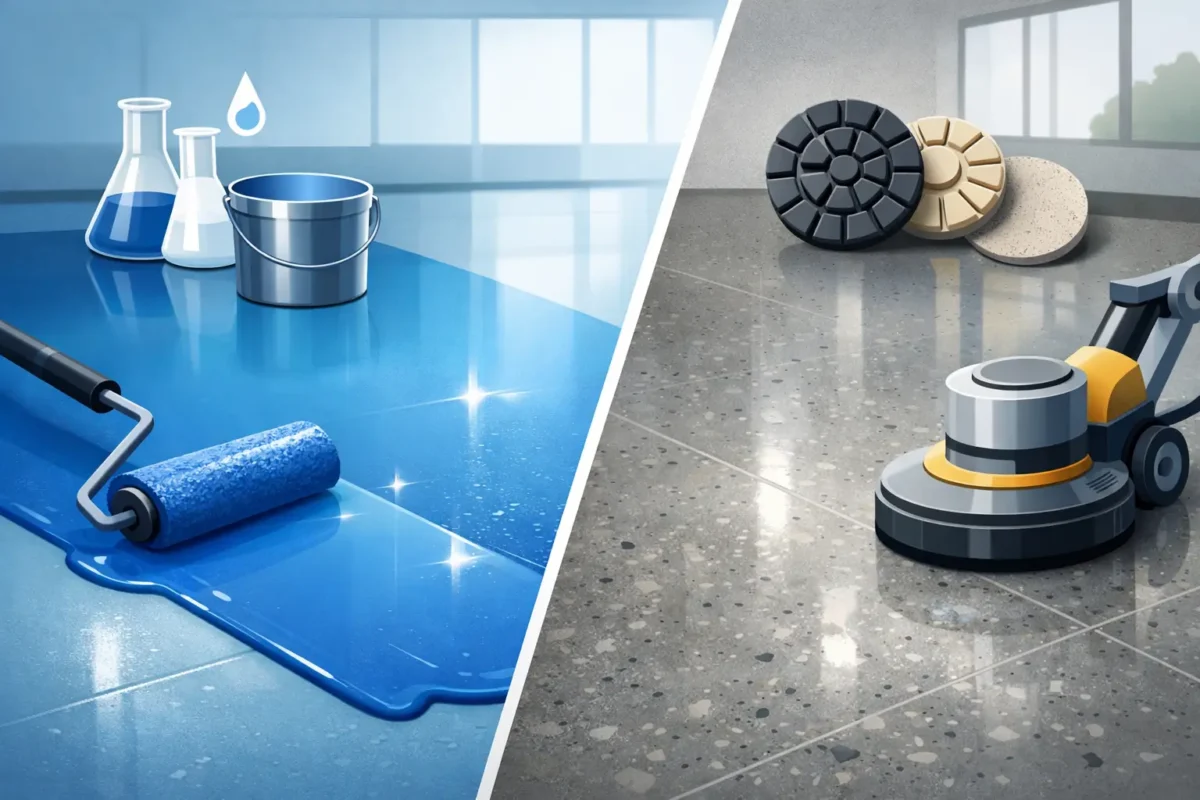
Epoxy Flooring vs Polished Concrete

Comparing epoxy flooring vs polished concrete? Learn the real differences in cost, durability, upkeep and finish for homes and businesses.

A garage, warehouse or shop floor can look fine on day one and still be the wrong choice five years later. That is usually what sits behind the epoxy flooring vs polished concrete question – not just appearance, but how the floor will wear, clean up, and hold its value under real use.

Both options can deliver a sharp, professional finish. Both are popular across residential and commercial properties. But they work in different ways, and the better option depends on the slab you already have, the level of traffic, your budget, and how much maintenance you are willing to deal with over time.

Epoxy flooring vs polished concrete: the core difference

Epoxy flooring is a coating system applied over a concrete slab. It creates a sealed surface that can be smooth, glossy, textured, decorative or highly slip-resistant depending on the system used. The concrete underneath does the structural work, while the epoxy becomes the visible, protective finish.

Polished concrete is different. Instead of covering the slab, the slab itself is mechanically ground, densified and polished to create the final surface. In simple terms, epoxy adds a layer on top. Polished concrete improves the concrete you already have.

That distinction matters because it affects durability, repairs, moisture behaviour, finish options and price.

When epoxy flooring makes more sense

Epoxy is often the right call when you want a controlled, uniform finish and strong protection from spills, stains and abrasion. It is widely used in garages, workshops, warehouses, factories, showrooms and plant areas for that reason.

For residential properties, epoxy works especially well in garages and utility spaces where people want a cleaner, brighter floor that is easy to wash down. It can also help cover minor surface imperfections and give an older slab a more finished look without the cost of replacing it.

In commercial settings, epoxy stands out when hygiene, chemical resistance or safety markings matter. You can specify colours, line marking, anti-slip additives and different coating builds depending on the use of the space. That makes it practical for back-of-house areas, retail stock rooms, medical settings and industrial sites.

The trade-off is that epoxy is still a coating. If the slab has moisture issues, movement or poor preparation, the coating can fail. Peeling, bubbling or hot tyre pickup in garages usually points back to installation quality or slab condition, not just the product itself. Good prep is everything.

When polished concrete is the better fit

Polished concrete tends to suit spaces where you want a hard-wearing floor with a more natural, architectural look. It is common in modern homes, retail spaces, cafes, offices and large open commercial interiors.

Because there is no coating film sitting on top, polished concrete does not peel like a failed epoxy system can. It handles foot traffic well and can last a long time when the slab is sound and the finish is maintained properly. It is also popular with owners who prefer a lower-sheen industrial style or a cleaner, more minimal appearance.

That said, polished concrete is not automatically low-maintenance in every setting. It still needs proper cleaning and periodic reconditioning to keep the finish performing well. It can also show stains if spills are left sitting, especially oils, acids and other aggressive contaminants. In a garage or workshop, that can be a real drawback.

Appearance and design flexibility

If finish options are high on your list, epoxy usually offers more control. You can choose solid colours, decorative flakes, satin or gloss finishes, and systems that brighten dark areas by reflecting more light. For many property owners, that neat, coated look is exactly what they want.

Polished concrete has a more natural variation. The final look depends heavily on the slab itself – the aggregate, the original pour quality, past repairs and even old marks in the concrete. Some people love that character. Others expect a perfect showroom finish and are disappointed when the slab tells its own story.

So if consistency matters, epoxy often wins. If you like a raw but refined concrete look, polished concrete is hard to beat.

Durability in real-world use

Both systems can be durable, but they perform differently under pressure.

Epoxy flooring resists chemicals, tyre traffic, impact and surface wear very well when installed correctly. In demanding commercial or industrial environments, heavy-duty epoxy systems are often the more practical choice because they are built specifically for protection. If your floor sees tools dragged across it, oil drips, pallet jacks or frequent wash-downs, epoxy has clear advantages.

Polished concrete is durable in a different way. It is strong under regular foot traffic and does not rely on a topcoat for its finished appearance. In shopping spaces, homes and offices, that can make it a smart long-term option. But it is not as forgiving with chemical spills, and it is not always the best performer where heavy contamination is part of daily use.

In other words, polished concrete handles traffic well. Epoxy handles abuse better.

Cost: upfront and long-term

Cost is where many decisions get made, but there is no one-size-fits-all answer.

Epoxy flooring costs depend on the condition of the slab, the amount of preparation required, and the type of system being installed. A straightforward garage floor is very different from a commercial-grade anti-slip system in a warehouse. If the concrete needs crack repairs, grinding or moisture treatment, the price goes up.

Polished concrete can also vary widely. If you are polishing an existing slab with minimal defects, costs may be manageable. But if the slab is uneven, damaged or not suitable for the finish level you want, preparation can become expensive. Highly polished finishes also take more grinding stages and more labour.

Long term, the cheaper option upfront is not always the better buy. A poorly chosen floor can cost more in repairs, downtime and replacement. It makes more sense to match the floor to the use of the space than to chase the lowest starting price.

Maintenance and cleaning

For many owners and managers, maintenance is where the difference becomes obvious.

Epoxy is easy to clean because the surface is sealed. Dust, dirt and spills sit on top rather than soaking in quickly. That is a major reason it remains popular in garages, workshops and commercial premises. However, epoxy can scratch over time, and some finishes show marks more than others. High-traffic areas may eventually need recoating.

Polished concrete is also relatively easy to clean day to day, especially in dry internal spaces. But it is more vulnerable to staining than many people expect, and the wrong cleaning chemicals can dull the finish. It may also need burnishing or maintenance polishing to keep its appearance.

If simple wash-down performance matters most, epoxy usually comes out ahead.

Slip resistance and safety

A floor that looks good but becomes slippery is a problem.

Epoxy can be customised for slip resistance. That is one of its biggest strengths. In wet areas, commercial workspaces or sloped surfaces, installers can add texture and build the system around site conditions. The key is balancing safety with cleanability. More texture usually means more grip, but also more effort to clean.

Polished concrete can be safe under the right conditions, but highly polished finishes may become more slippery when wet or contaminated. In homes and retail spaces that may be manageable. In work areas with water, grease or frequent spills, it needs careful consideration.

Which one is better for your property?

For garages, workshops, warehouses, service areas and many commercial sites, epoxy is often the more practical investment. It protects the slab, handles contamination better, and gives you more control over slip resistance and presentation.

For modern homes, retail interiors, offices and design-focused spaces, polished concrete can be the better visual and long-term fit, provided the slab is suitable and the environment is not too harsh.

This is where experienced advice matters. The right answer is not based on trends. It is based on how the floor will actually be used, what condition the concrete is in, and how long you want the finish to last without major issues. A good contractor will tell you when epoxy is the better option and when polished concrete makes more sense, even if it is not the answer you expected.

For property owners around Sydney managing residential, commercial or strata spaces, that practical approach usually saves time and money. PSG Painting handles epoxy floor projects with that same focus – honest advice, proper preparation and a finish that suits the job, not just the brochure.

If you are choosing between the two, stop looking for the one that sounds best on paper. Pick the floor that matches the way your property really works.

How to Repaint Weatherboard House Properly

Learn how to repaint weatherboard house exteriors properly, from prep and repairs to primer and finish coats, for a longer-lasting result.

A weatherboard house can look solid from the street and still be failing where it counts – peeling edges, cracked joints, soft timber and patchy paint that is no longer protecting the boards. If you are working out how to repaint weatherboard house exteriors properly, the biggest mistake is thinking the paint itself is the job. The real job is preparation, repair and timing.

That matters even more on older homes. Weatherboards move with heat and moisture, and once the coating system breaks down, water gets in fast. A quick repaint might freshen the look for a year or two, but if the surface is not sound, the finish will fail early and the repair bill usually grows.

How to repaint weatherboard house exteriors the right way

The best results come from treating repainting as a full exterior maintenance job, not just a colour change. That means checking the condition of the timber, dealing with failed caulking, replacing rotten sections where needed and building a paint system that suits the surface.

For most homes, the work follows a simple order. Inspect first, clean thoroughly, remove loose paint, repair damaged boards, sand rough edges, prime bare areas and then apply two solid finish coats. It sounds straightforward, but each stage affects how long the repaint lasts.

If the house has multiple old paint layers, severe flaking or signs of moisture damage, the job gets more involved. In those cases, speed usually costs quality. You can save money by repainting once and repainting properly rather than doing a rushed job twice.

Start with the condition of the boards

Before buying paint, walk the exterior and check every elevation in daylight. Look closely at the south-facing and most weather-exposed walls, around windows, under sills, at board ends and near the lower boards where splashback and damp tend to cause trouble.

You are looking for more than peeling paint. Push gently on suspect timber with a scraper or screwdriver. If it feels soft, spongy or breaks away easily, that board may need repair or replacement. Paint will not fix rotted timber. The same goes for boards that are split, badly cupped or coming loose from the wall.

This is also the time to identify lead-paint risk on older houses. If the home was painted decades ago, safe preparation matters. Sanding or scraping without the right controls can create a health issue and a cleanup problem. That is one of the clear points where bringing in experienced painters makes sense.

Cleaning is not optional

Exterior paint sticks to clean, sound surfaces. Dirt, chalky residue, mould, salt and airborne grime all interfere with adhesion. Weatherboard homes in coastal parts of Sydney often carry more surface contamination than owners realise, especially on exposed sides.

Wash the exterior before scraping and sanding. In lighter cases, a thorough scrub and rinse may do the job. Where there is mould, treat it properly rather than painting over it. Pressure washing can help, but it needs care. Too much pressure can damage timber fibres, force water behind the boards or lift more paint than intended.

After washing, allow the house to dry fully. This step gets rushed all the time. Painting over damp timber traps moisture and shortens the life of the coating system.

Scrape, sand and feather the edges

Once the surface is dry, remove all loose and flaking paint. You do not always need to strip the house back to bare timber, but anything that is no longer bonded has to go. A solid repaint depends on a stable base.

After scraping, sand the edges between bare timber and existing paint so the finish coats sit flatter and look cleaner. This is called feathering, and it makes a big difference on weatherboards because the boards catch light across their length. If the edges are left rough, every patch repair shows.

Glossy old coatings should also be dulled back so the primer and top coats can grip. Skipping this stage is one of the common reasons repaint jobs start peeling earlier than expected.

Repair timber and seal gaps properly

A good weatherboard repaint often includes basic carpentry repairs. Replace rotten boards where necessary, fix damaged trims and make sure loose nails or fixings are dealt with before painting starts. If water has been getting in around windows or joints, solve that first.

Gap sealing matters too, but it needs judgement. Small gaps at trims and joins can usually be caulked with a quality exterior flexible sealant. That helps stop moisture entry and gives the finished job a sharper look. But not every gap should be filled. Weatherboards are designed to shed water and allow movement, so over-sealing the wrong areas can create moisture problems instead of preventing them.

That is where experience counts. Knowing what to seal and what to leave alone is part of getting a durable result.

Prime the bare timber and repaired areas

Primer is not an upsell. On weatherboards, it is a key part of the system. Bare timber, patched areas and any repairs need the right primer before top coats go on. Without it, you risk uneven absorption, flashing and weaker adhesion.

The exact primer depends on the substrate and the condition of the old paint. Timber stains, tannin bleed and weathered surfaces all need the right product choice. There is no single primer that suits every old house.

Spot-priming may be enough where most of the previous coating is still sound. On heavily weathered homes or where repairs are widespread, a broader prime coat can produce a more even and longer-lasting finish. This is one of those it-depends decisions that should be made on the actual condition of the exterior, not by default.

Choose the right paint and finish

For most weatherboard homes, a quality exterior acrylic system is a reliable choice. It handles movement well, has good durability and generally performs better than cheaper alternatives. On timber exteriors, flexibility matters because boards expand and contract through the seasons.

Finish level also affects the result. Low sheen is popular because it looks clean without highlighting every surface defect. Full gloss can be harder to maintain visually on older weatherboards, while very flat finishes may hold dirt more readily in some conditions.

Colour choice is not only about appearance. Dark colours absorb more heat, which can increase movement in the boards and place more stress on the coating. That does not mean dark colours are off the table, but it is worth understanding the trade-off before committing.

Apply two finish coats, not one heavy coat

When it is time to paint, work methodically and follow the weather. Avoid painting in direct harsh sun where the paint is drying too fast, and avoid days with rain risk, heavy dew or high humidity. Exterior painting is not just about getting the paint on. It is about giving each coat the best chance to cure properly.

Two finish coats are the standard for a reason. They build colour, durability and protection more evenly than one thick coat. A heavy single coat may look acceptable at first, but it is more likely to show lap marks, cure unevenly and fail sooner.

Cut in carefully around trims, maintain a wet edge and work in sections that keep the finish consistent across the wall. Whether the paint is brushed, rolled or sprayed and back-rolled, the method needs to suit the house and the condition of the boards.

Common mistakes that shorten the life of the job

Most failed weatherboard repaints come back to the same issues. Painting over moisture, skipping repairs, using low-grade products and underestimating the preparation all lead to early breakdown. So does chasing the cheapest quote without checking what is actually included.

Not all repaint jobs are priced the same because not all scopes are the same. One contractor may allow for extensive scraping, sanding, gap sealing and timber repair, while another may be pricing a basic wash and two coats. The difference in finish and lifespan can be significant.

For landlords, property investors and strata managers, this is where value matters more than headline price. A cheaper repaint that needs attention again in a few years is rarely the cheaper option.

When it makes sense to call a professional

If the house is double-storey, has rotten sections, likely lead paint, widespread peeling or access issues, getting professionals involved is usually the safer and more cost-effective path. The same applies if you want the job done on schedule without weeks of disruption.

An experienced painting contractor will assess the timber properly, explain the prep needed, choose the right system and deliver a finish that is built to last. For owners across Sydney, especially in exposed coastal and high-weather areas, that experience can make a noticeable difference to both appearance and durability.

If you are deciding whether to tackle the work yourself or book a contractor, be honest about the condition of the house rather than the size of the paint tins. On weatherboards, the finish is only as good as the surface underneath – and getting that part right is what protects the home for years to come.

Choosing Commercial Painters North Shore

Need commercial painters North Shore property managers trust? Learn what to look for in workmanship, timing, pricing and site management.

A tired shopfront, a marked-up office, or a strata block with peeling exterior paint sends the wrong message fast. If you are looking for commercial painters North Shore businesses and property managers can rely on, the real question is not just who can paint. It is who can turn up on time, work cleanly, manage disruption, and leave a finish that holds up.

Commercial painting is rarely just about freshening up a space. For many owners and managers, it is tied to rentability, presentation, compliance, maintenance planning, and how tenants or customers experience the property. A poor job costs more than the original quote suggests. It can mean delays, patchy finishes, complaints from occupants, and another repaint sooner than expected.

What good commercial painters on the North Shore actually do

A commercial painter should bring more than brushes, rollers, and a quote. On active sites, the difference between a smooth job and a stressful one usually comes down to planning. That includes checking surfaces properly, identifying repairs early, choosing the right coating system, and sequencing the work so access issues do not slow everything down.

On the North Shore, buildings vary a lot. You might be dealing with retail fit-outs, office interiors, medical suites, schools, warehouses, apartment common areas, or strata exteriors. Older buildings can have more prep work than expected. Newer properties may need a cleaner, faster program with minimal interruption. The right approach depends on the building, the use of the space, and the standard you need at handover.

That is why experienced commercial painters do not treat every project the same. A retail tenancy that must reopen quickly needs a different schedule from a strata repaint planned months in advance. An office with staff working on site needs careful staging, low-odour products where possible, and tidy daily clean-up. The best contractors account for that from the start instead of improvising midway through the job.

Why commercial painting quotes can vary so much

If you have collected a few quotes, you have probably noticed the spread can be significant. That does not always mean one painter is overcharging and another is giving you a bargain. Quite often, it means they are pricing different scopes.

A cheaper quote may leave out repair work, extra coats, detailed protection, after-hours scheduling, or access equipment. It may also assume the surfaces are in better condition than they really are. On the other hand, a higher quote is only worth it if it reflects proper preparation, reliable labour, quality materials, and a realistic timeline.

This is where clear communication matters. A good commercial quote should explain what is included, what surface prep is allowed for, which areas are covered, and whether the job will be staged. If there are exclusions, they should be obvious. Surprises on commercial jobs usually come from vague scopes, not bad luck.

Commercial painters North Shore owners should choose with care

North Shore properties often carry higher presentation expectations. In many commercial settings, appearance affects brand perception, tenant satisfaction, and asset value. That does not mean you need the most expensive painter in the market. It means you need one who understands the standard required and has systems to deliver it consistently.

Workmanship matters, but so does site conduct. Commercial painters should be punctual, easy to contact, and organised enough to keep the project moving. If they are difficult to pin down before the job starts, that usually does not improve once work is underway.

It also helps to look at how they handle practical issues. Can they start within a reasonable timeframe? Do they work around business hours when needed? Are they set up for interior and exterior work, spray application, epoxy floors, and larger repainting programs if the project calls for it? A contractor with wider capability can often manage the whole job more efficiently than a mix of separate trades.

The parts of the job that affect the final result most

Most people notice the topcoat because it is what they see every day. In commercial painting, though, the finish is only as good as the preparation underneath it. Dirt, grease, flaking paint, moisture issues, damaged plaster, rust, and poor patching all shorten the life of a repaint.

That is why proper prep is not optional. Sanding, filling, sealing, washing, patch repairs, and priming are what give the paint a chance to bond and wear properly. If a contractor rushes this stage to keep the price low, the result may still look decent for a few months. After that, faults start to show.

Product choice matters too. High-traffic corridors, bathrooms, food service areas, warehouses, and external surfaces all need different coatings. There is no single best paint for every commercial site. Durability, washability, sheen level, odour, drying time, and exposure all need to be considered. A dependable painter will explain the trade-offs in plain language.

Timing, access and disruption are not small details

For commercial clients, the biggest headache is often not the painting itself. It is how the works affect operations. Can staff still use the space? Can customers enter safely? Will tenants complain? Will the job drag on longer than promised?

This is where experienced contractors earn their keep. They know how to stage work area by area, protect floors and fixtures, manage access, and keep the site presentable throughout the project. In some cases, after-hours or weekend work makes sense. In others, a well-planned daytime program is more cost-effective. It depends on the property and how sensitive the occupants are to noise, smell, and access restrictions.

Fast commencement is useful, but speed alone is not enough. A quick start only helps if the team can also complete on time and maintain quality. Rushed jobs can create more downtime later if touch-ups, defects, or callbacks start piling up.

What property managers and owners should ask before approving a job

Before engaging commercial painters on the North Shore, ask how they plan to manage your specific site. Not just the painting – the whole job. You want to know who will supervise, how long the work should take, what prep is required, and how they will deal with occupied areas.

It is also worth asking how they approach variations. Commercial sites sometimes reveal hidden issues once work begins, especially on older buildings. A professional contractor should flag these early, price them clearly, and keep the rest of the job moving where possible.

Past experience counts here. A team that has handled offices, strata complexes, retail spaces, and new builds will usually be better at spotting risks before they become delays. That practical experience often shows up in the small things – realistic scheduling, cleaner masking, better protection, and fewer excuses.

Where value really comes from in a commercial painting job

The best value is not always the lowest number on the page. It is the combination of finish, durability, reliability, and reduced hassle. If a painter starts promptly, communicates clearly, respects the site, and delivers a strong finish without blowing out the program, that saves time and money in ways a cheap quote does not.

For many commercial clients, repeatability matters too. Once you find a contractor who is easy to deal with and consistently delivers, future maintenance becomes simpler. That is especially true for landlords, builders, and strata managers juggling multiple properties. A one-off painter might get through a small job. A reliable commercial team helps you plan ahead.

That is also why some clients prefer an all-in-one contractor with broad service coverage. If the same team can handle interiors, exteriors, spray finishes, roof coatings, epoxy floors, and repainting programs, there is less back-and-forth and fewer gaps between trades. For clients who want straightforward service and dependable timing, that can make a real difference.

PSG Painting works with commercial, residential and strata clients across Sydney and NSW, and that broader experience is useful on mixed-use and complex sites where no two areas need exactly the same treatment.

A better result starts before the first coat goes on

If you are comparing commercial painters North Shore wide, look past the sales pitch. Focus on how they scope the work, how they explain the process, and whether they sound like they understand the pressures of a live commercial site. The right contractor will not overcomplicate the job, but they will not gloss over the details either.

A good paint job should improve the way a property looks and the way it performs, without turning the project into a drawn-out problem. When the planning is solid, the workmanship is professional, and the team respects your timeline, painting becomes one of the simpler upgrades you can make.

Choose the painter who treats your property like a business asset, not just another wall to cover.